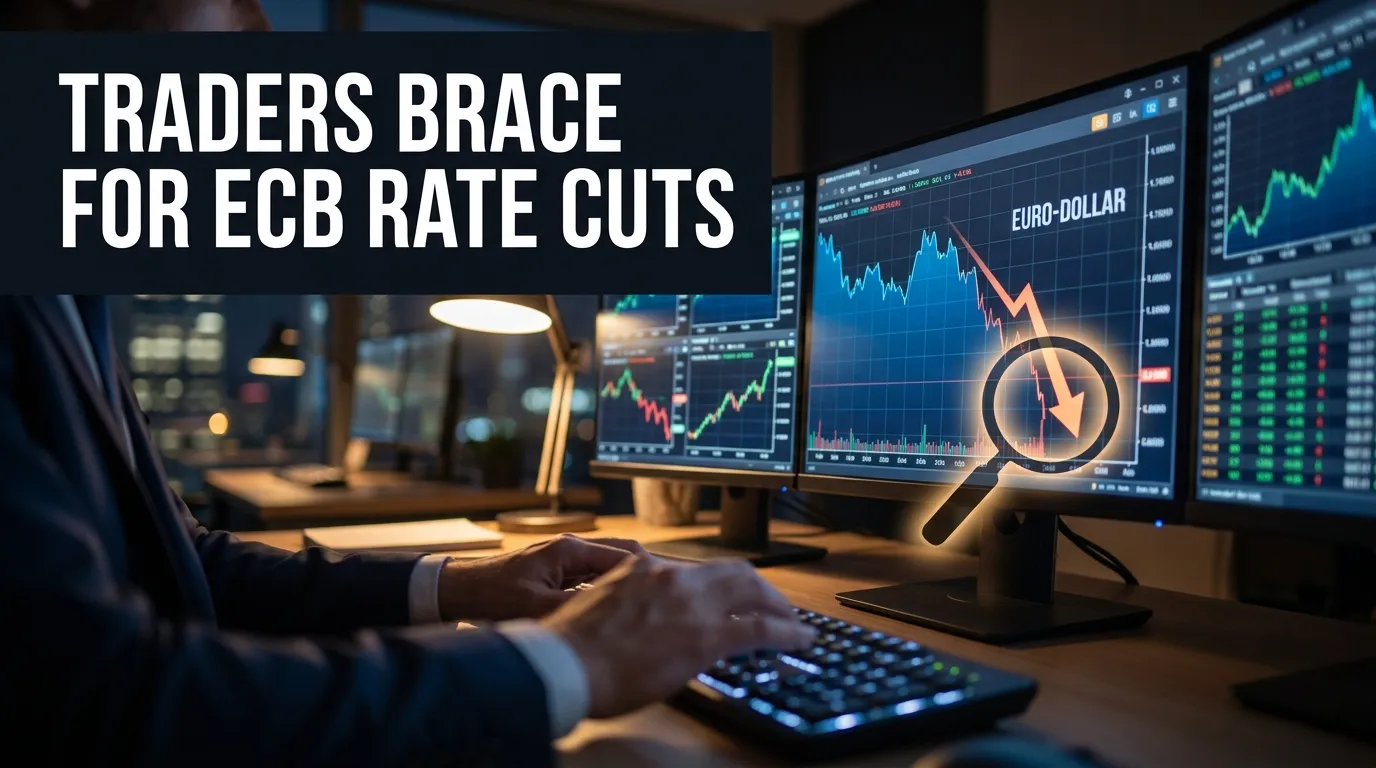
The forex market is seeing fresh movement this week as currency traders react to changing economic conditions in Europe. On October 20, 2026, the euro lost some ground against the US dollar. Market participants are closely watching the European Central Bank for clues about future interest rate cuts.
When central banks change their plans, currency values shift very quickly. Investors pay close attention to inflation numbers and retail sales data to guess what policymakers will do next. This environment makes currency trading quite active for both big institutions and everyday traders.
What Is Happening in the Currency Market
Recent economic reports from the eurozone show that inflation is cooling down faster than expected. Because of this trend, market analysts believe the European Central Bank might lower interest rates sooner than previously thought. Lower interest rates usually make a currency less attractive to global investors who are looking for higher returns.
At the same time, the US economy continues to show steady growth. This contrast puts downward pressure on the euro. Currency pairs involving the euro are seeing heavier trading volume as traders adjust their positions based on these new economic signals. If you want to understand how broader shifts affect currency values, you can read more about how Forex Markets React as Central Bank Policies Shift.
Why Central Bank Policies Drive Forex Movement
Central banks hold the keys to currency values. When the European Central Bank talks about monetary policy, currency traders listen closely. Every speech by bank officials is parsed for hidden meanings about borrowing costs.
If interest rates stay low in Europe while staying high elsewhere, money tends to flow out of the euro and into other currencies. This movement creates supply and demand imbalances that change exchange rates daily. Traders use technical charts and economic calendars to track these shifts.
Key Factors Influencing the Euro Today
Several economic indicators are driving the current movement in the euro exchange rate:
- Cooling inflation rates across major eurozone countries.
- Mixed manufacturing and service sector data from Germany and France.
- Strength in competing currencies, particularly the US dollar.
- Speculation about upcoming policy meetings from central bank officials.
What Traders Should Watch Next
If you trade currencies, you need to keep an eye on upcoming economic releases. The next batch of eurozone inflation numbers will arrive later this month. Any surprise in those numbers can reverse currency trends in a matter of minutes.
We also expect speeches from key European Central Bank leaders in the coming days. Their words often set the tone for the rest of the week. Staying informed helps you manage risk in a fast-moving market.
Risks and Limitations in Currency Trading
Trading the forex market involves a high level of risk. Exchange rates can change instantly due to unexpected news events or sudden shifts in market sentiment. No single indicator tells the whole story.
Even professional analysts often get their currency predictions wrong. You should never assume a currency pair will move in a straight line. Proper risk management is essential if you participate in these markets.
Conclusion
The recent dip in the euro highlights how quickly currency markets respond to changing economic data and central bank expectations. As the European Central Bank weighs its next policy steps, volatility remains a normal part of daily trading. Keep watching official economic reports and stay updated on global news to understand where the market might head next.
Sources and References
- European Central Bank: Official monetary policy statements and press releases on interest rate decisions. Available via ECB Official Website.
- Reuters: Financial news coverage on recent euro movements and currency market reactions, published on October 20, 2026. Available via Reuters Finance.
- Bloomberg: Market analysis reports covering exchange rate trends and central bank policy expectations. Available via Bloomberg Markets.
Editorial Transparency: This article was initially drafted with the assistance of AI and reviewed by a human editor for factual accuracy, source quality, clarity, and editorial standards before publication. Financial information may change as new developments emerge. Readers are encouraged to consult the original sources linked in this article.
Disclaimer: This article is provided for general informational and educational purposes only. It does not constitute financial, investment, trading, tax, or legal advice. Financial markets, stocks, cryptocurrencies, and other financial assets involve risk, and prices may fluctuate significantly. No outcome or investment return is guaranteed. Information may change after publication, and although reasonable efforts are made to use reliable sources, errors or omissions may occur. Readers should verify important information through the original sources and conduct their own research before making financial decisions. Consider consulting a qualified financial professional where appropriate. FinanceDaily.site is not responsible for financial decisions made solely on the basis of this article.