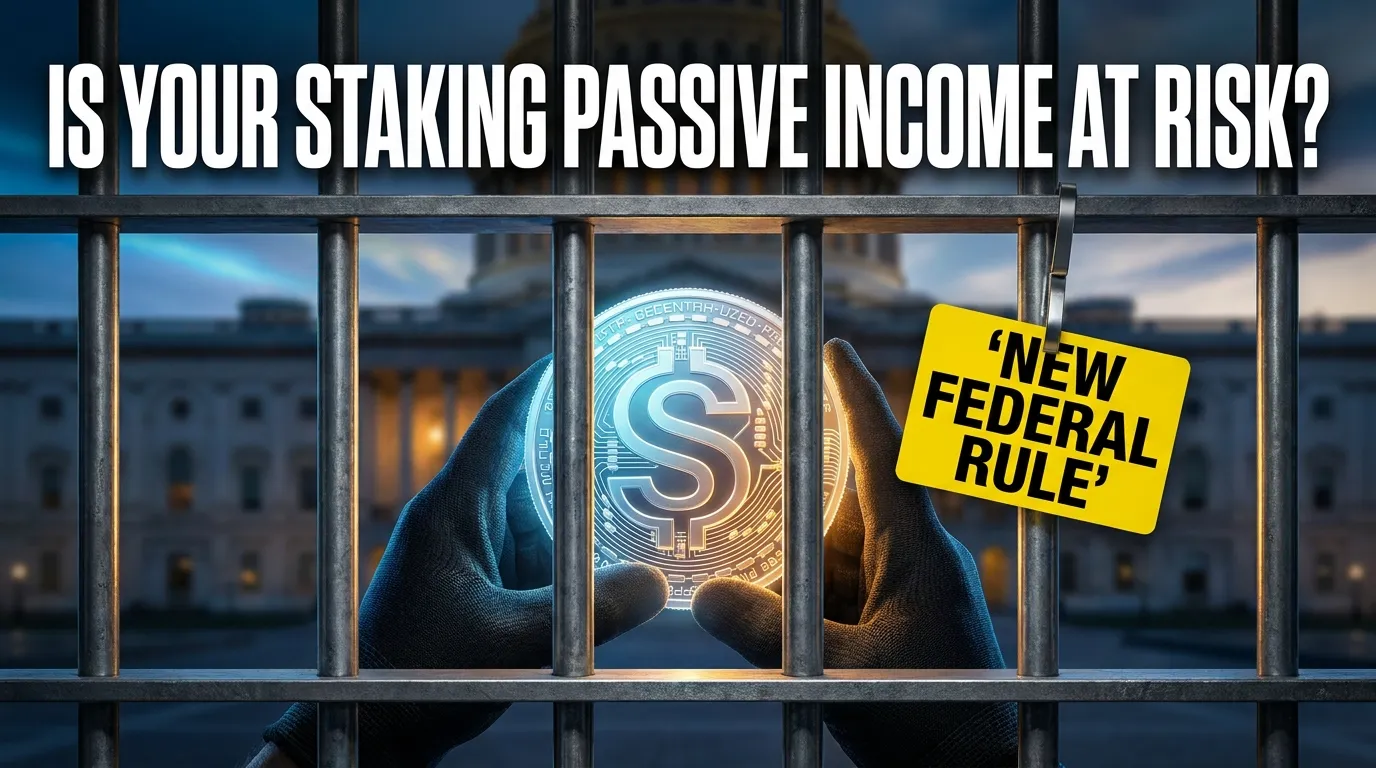
Regulators are looking closely at crypto staking. Governments want clear rules for how digital coins earn extra income. If you hold coins like Ethereum or Solana, you might see big changes soon.
Staking lets you lock up your coins to help run a blockchain network. In return, you get paid rewards. Millions of people use this method to grow their crypto balances. Now, financial watchdogs want more control over these programs.
What Is Happening Right Now
Major financial regulators across the globe are reviewing how staking works. Companies that offer staking services must now follow stricter guidelines. Some platforms already face legal warnings for offering rewards without proper registration.
Official documents show that government agencies view staking products as investment contracts. This means platforms must give users clear risk warnings. They also have to share full financial reports just like traditional stock brokers do.
These updates affect both big crypto exchanges and independent staking pools. Users are starting to move their assets around as they wait for final decisions. You can read more about how other assets react to strict rules in our report on gold prices stay high as global economic fears grow.
Why Regulators Are Getting Involved
Governments worry about regular people losing money. Crypto markets move fast, and staking rewards can disappear if a platform fails. Regulators want to make sure companies keep enough cash on hand to protect user funds.
Another big issue is transparency. Many platforms did not explain the risks clearly in the past. Users thought staking was 100 percent safe like a regular bank account. Watchdogs want to end that confusion.
Major blockchain foundations argue that rules should be flexible. They say that strict oversight might push crypto developers out of the country. Even so, government officials insist that consumer protection comes first.
How This Affects Your Crypto Portfolio
If you stake your coins, you might notice higher fees soon. Platforms have to spend more money on legal teams and compliance. These costs often trickle down to everyday users.
Some smaller staking platforms might shut down completely. This means you could be forced to move your coins to a different wallet. Always check the terms of service before you lock up your digital assets for months at a time.
On the positive side, clear rules might bring peace of mind. Big banks and pension funds usually stay away from unregulated markets. Once the rules are set, traditional investors might finally join the space.
What You Should Watch Next
Keep an eye on upcoming court cases involving major crypto exchanges. These rulings will set the standard for all staking products. Also, watch for new announcements from global financial watchdogs over the next few months.
If you use a third-party staking service, check their website for updates. Reliable platforms will email you if your account needs new verification steps. Do not ignore these notices because your rewards could be paused.
You can also check Finance Daily often for fresh updates on market rules and digital asset trends. Staying informed is your best defense in a changing market.
Risks and Limitations
Staking always comes with built-in risks. If the price of your staked coin drops sharply, your total value can go down even if you earn rewards. Technical bugs in the blockchain network can also cause temporary lockups.
Regulatory crackdowns can freeze your funds for weeks or months. You might not be able to sell your coins when you want to. Never stake money that you might need to pay your bills next week.
Conclusion
Crypto staking is entering a brand new era. Governments want safety and clarity, while users want easy profits. The coming months will show how well these two goals can mix.
Make sure you understand the rules of your chosen platform. Do your own research and stay calm when the market shifts. Smart choices will keep your crypto safe.
Sources and References
- US Securities and Exchange Commission: Official regulatory statements on digital asset staking programs, published October 2026.
- European Securities and Markets Authority: Guidelines on crypto asset service providers, published September 2026.
- Industry analytics reports on global staking volume and platform compliance updates, October 2026.
Editorial Transparency: This article was initially drafted with the assistance of AI and reviewed by a human editor for factual accuracy, source quality, clarity, and editorial standards before publication. Financial information may change as new developments emerge. Readers are encouraged to consult the original sources linked in this article.
Disclaimer: This article is provided for general informational and educational purposes only. It does not constitute financial, investment, trading, tax, or legal advice. Financial markets, stocks, cryptocurrencies, and other financial assets involve risk, and prices may fluctuate significantly. No outcome or investment return is guaranteed. Information may change after publication, and although reasonable efforts are made to use reliable sources, errors or omissions may occur. Readers should verify important information through the original sources and conduct their own research before making financial decisions. Consider consulting a qualified financial professional where appropriate. FinanceDaily.site is not responsible for financial decisions made solely on the basis of this article.