
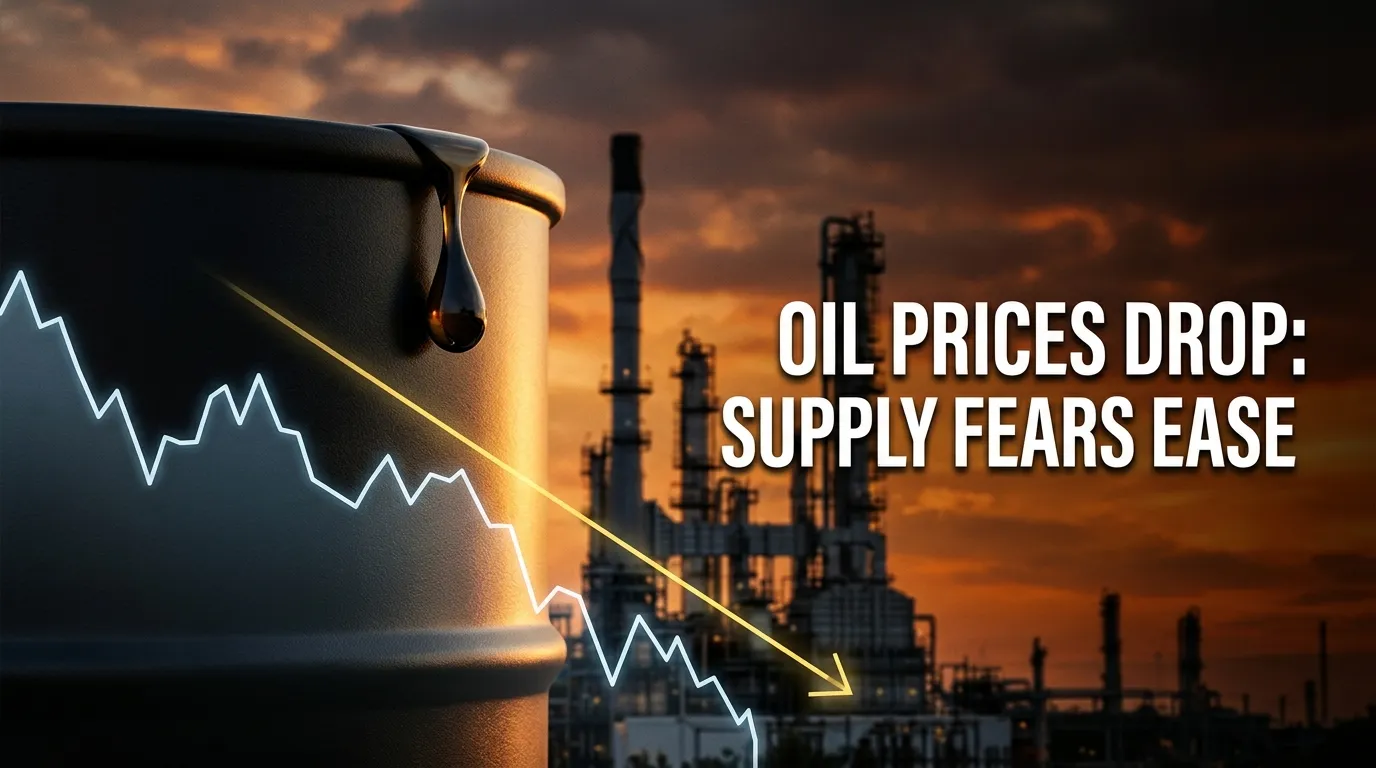
Oil prices dropped sharply this week as traders saw fewer risks to global supply chains. Crude oil futures fell across major exchanges, giving relief to drivers and businesses after months of high energy costs.
When oil costs drop, the effects spread quickly through the global economy. Shipping companies, airlines, and manufacturing plants all benefit from cheaper fuel. But investors in energy stocks watch these price shifts closely because lower oil values can cut into company profits.
If you want to understand how shifting commodity prices affect your money, you can check our guide on Finance Daily to learn more about market trends. Understanding these shifts helps you make better choices for your portfolio.
What Caused The Recent Price Drop?
The main reason for the price shift comes from steady production levels in key oil-producing regions. Recent reports from major energy agencies show that supply is currently meeting global demand without major disruptions.
Traders also reacted to updated economic data from major industrial countries. Manufacturing activity in parts of Asia and Europe has slowed down slightly. Lower factory output means lower demand for crude oil, which naturally pushes prices down.
Market analysts note that weather conditions have also remained stable. Without severe storms hitting major offshore drilling platforms, production has continued without interruption. This steady flow of oil calmed fears of sudden shortages.
How Lower Energy Costs Affect Other Markets
Cheaper energy is usually good news for inflation rates. When fuel costs go down, the price of moving goods from factories to stores drops too. This can lead to lower prices for everyday items like groceries and clothing.
However, the story is different for energy companies. Oil and gas firms saw their stock values dip as the news broke. Investors who rely on high dividend payouts from energy stocks might see smaller returns if oil stays cheap for a long time.
Other commodity markets are reacting to the same economic pressures. Natural gas prices also saw minor declines this week, following the downward trend in crude oil. Agricultural commodities remain steady, but transport savings could soon lower food shipping costs.
What Investors Should Watch Next
Energy markets change fast, so keeping an eye on upcoming industry meetings is smart. Major oil-producing nations hold regular talks to discuss production quotas. Any unexpected change in their output targets can send prices back up very quickly.
You should also watch upcoming reports on global economic growth. If industrial demand picks up again, oil prices could reverse their current downward trend. Pay attention to official reports rather than rumors on social media.
Diversification remains a key strategy when commodity markets get volatile. While some traders look at traditional energy assets, others explore different sectors like digital finance or technology. For example, if you follow broader tech market developments, you might want to read about how the Solana Network Upgrade Targets Faster Transaction Times For Users and how blockchain technology affects digital asset markets.
Risks And Limitations In Commodity Trading
Trading commodities like oil involves high risk. Prices can swing wildly based on sudden political events, weather emergencies, or unexpected economic news. You should never assume that a current price trend will last forever.
Short-term price drops can reverse in a single day if a supply disruption happens. If you plan to invest in commodity funds or energy stocks, make sure you understand your own risk tolerance.
Past market behavior does not guarantee future results. Always do your own research before putting money into any volatile sector.
Conclusion
The recent drop in oil prices offers temporary relief for consumers and businesses dealing with high costs. While lower energy expenses help keep inflation in check, they also put pressure on energy company revenues. Staying informed about supply updates and economic reports will help you navigate these shifting market conditions.
Sources and References:
- Reuters: Global oil markets react to steady production and easing supply fears.
- Bloomberg: Crude oil futures decline amid slowing industrial demand in major economies.
- Official Energy Agency Reports: Weekly updates on global crude oil inventory levels.
Editorial Transparency: This article was initially drafted with the assistance of AI and reviewed by a human editor for factual accuracy, source quality, clarity, and editorial standards before publication. Financial information may change as new developments emerge. Readers are encouraged to consult the original sources linked in this article.
Disclaimer: This article is provided for general informational and educational purposes only. It does not constitute financial, investment, trading, tax, or legal advice. Financial markets, stocks, cryptocurrencies, and other financial assets involve risk, and prices may fluctuate significantly. No outcome or investment return is guaranteed. Information may change after publication, and although reasonable efforts are made to use reliable sources, errors or omissions may occur. Readers should verify important information through the original sources and conduct their own research before making financial decisions. Consider consulting a qualified financial professional where appropriate. FinanceDaily.site is not responsible for financial decisions made solely on the basis of this article.



One thought on “Global Oil Markets Slip As Supply Fears Ease”